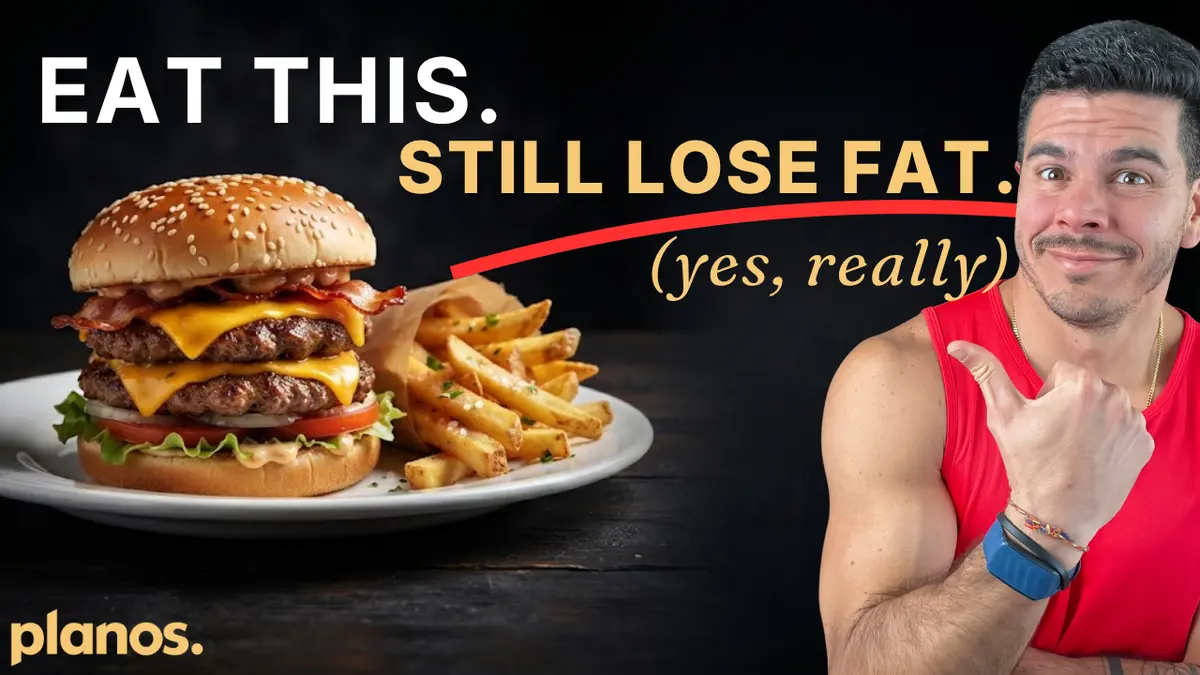
Fat Loss Doesn't Fall Apart at the Restaurant
It falls apart before you even walk in.
You showed up with no plan, a full day of calories already spent, and a menu built to make you eat more than you intended. That's not a discipline problem. That's a systems problem. And it's fixable.
As a registered dietitian who has worked with everyone from pro athletes to busy parents trying to drop 20 pounds, this is one of the most common places people get stuck. Not because restaurants are impossible to navigate, but because nobody ever showed them how.
This article covers the exact system I use with clients to eat out, hit protein targets, and stay on track without ordering the saddest thing on the menu.
Why Restaurant Food Works Against You
Restaurants are not optimizing for your macros. They are optimizing for flavor. And flavor comes primarily from two things: fat and salt.
That's why most mainstream restaurants run high in fat, high in refined carbs, and high in sodium. The only places that reliably deliver high protein are steakhouses and seafood restaurants where the protein is the main event, and even those tend to run high in fat and total calories.
Health-focused restaurants exist, but you're not always eating at those. Most of the time you're at a regular place with a regular menu built to taste good, not to fit your calorie budget.
The average restaurant meal lands at around 1,000 calories, and that's before the bread basket, the chips, or the appetizer shows up.
How It Usually Goes Wrong
Here's the typical scenario. You eat freely all day. Then someone calls and suggests dinner out. You show up unprepared, maybe during happy hour, with almost no calorie budget left. The odds of overshooting your daily total are basically guaranteed.
The other version is the classic holiday move: skipping meals all day to save room. This feels smart and is actually counterproductive. When you show up starving, you stop eating from hunger and start eating from deprivation. You eat with your eyes, not your logic, and you end up consuming far more than whatever you saved by skipping breakfast.
Eating throughout the day is what keeps you in control at the table. Arriving satisfied but not full is the goal.
The Two-Part System
Part One: The P and V Strategy
P stands for protein. V stands for vegetables.
Build your eating around protein and fiber-rich vegetables throughout the day and you accomplish three things at once. You manage hunger so you don't arrive at the restaurant starving. You front-load your protein, which matters because most restaurant meals won't get you there on their own. And you preserve a meaningful calorie budget to actually enjoy your meal without having to order the grilled chicken salad with dressing on the side while everyone else at the table eats real food.
Here's what that looks like in practice with an 1,800 calorie daily target:
Breakfast: An egg white omelet with one whole egg, spinach, peppers, and a half cup of blueberries. Roughly 272 calories and 34 grams of protein.
Lunch: A large salad with a lean protein like chicken breast or white fish, a calorie-friendly dressing, some parmesan, and a high-protein snack like a Greek yogurt or protein shake on the side. Around 570 calories and solid protein coverage.
After breakfast, lunch, and a snack, you've spent roughly 840 calories and have about 1,000 calories left for dinner. That's enough to eat a real meal at almost any restaurant without blowing your targets.
Part Two: Pre-Log Before You Go
The second strategy has three steps, and the order matters.
Step 1: Set the budget before you're hungry.
When you know you're eating out, decide in advance how many calories you're allocating to that meal. Do this before you're staring at a menu with people around you and your willpower is already taxed. Decide with a clear head.
Step 2: Find the actual numbers.
This is where most people skip a critical step. Instead of guessing, use an app called MenuFit to pull nutrition data for almost any restaurant before you go. It's not sponsored. It's just the best tool for this specific job. You can search by restaurant, browse the menu with macro data visible, and identify what you're going to order before you sit down.
For chain restaurants, this data is reasonably accurate. It won't be exact because you're not cooking the food, but it's close enough to plan around. That difference matters: going over by 300 calories because you planned imperfectly beats going over by 1,500 because you went in blind.
Step 3: Log it in your tracking app.
Once you've selected your meal in MenuFit, log the macros directly into Cronometer or MyFitnessPal using the quick-add feature for protein, carbs, and fat. If you're only tracking calories and protein, log those two numbers. If you're tracking full macros, enter all three.
Here's what this looks like with a real example. A grilled club sandwich and mac and cheese at Chick-fil-A comes out to roughly 750 calories and 48 grams of protein. After a day built around the P and V strategy, that fits comfortably into an 1,800 calorie budget with room left for a regular Coke. You ate Chick-fil-A, hit your protein target, and stayed within your calorie goal. That's the system working.
For a nicer dinner at a place like Capital Grille, the same logic applies. Pre-browse the menu in MenuFit, select an appetizer and entree that fit your remaining budget, log the macros, and you can even factor in a drink if you want one. A steak tartare appetizer and grilled salmon entree with a margarita can fit into a 1,200-calorie dinner budget if you planned the earlier part of the day correctly.
A Realistic Expectation
This system doesn't guarantee perfection. Restaurant nutrition data has inherent margin of error, and there will be days when you go over your target. The point is not to eat out perfectly. The point is to go over by a little instead of a lot, and to build the skill of planning rather than reacting.
Over time, that skill compounds. You get faster at identifying what fits your budget. You stop feeling restricted at restaurants because you know how to work within the system. And you stop using restaurant meals as reasons why fat loss isn't possible for someone with your schedule.
The Bottom Line
Restaurant food isn't the enemy. Walking in without a plan is.
Build your day around protein and vegetables to protect your calorie budget. Pre-log your restaurant meal before you go using real nutrition data from MenuFit. And stop showing up to restaurants hungry, because that guarantees you'll eat past whatever you intended.
The system is: eat protein and vegetables during the day, set your restaurant budget in advance, find the real numbers before you order, and log it before you sit down. Do that consistently and eating out stops being the reason your fat loss stalls.