Want to know what to eat pre- and post-workout to make your workouts significantly more effective? In this article, I am going to explain what to eat and when to eat it to get the most out of your time in the gym.
Who Are These Nutrition Strategies For?
I started out my career as a sports dietitian for high level athletes, from MLB players, to NFL stars, to Olympians. Now, I take the strategies I used to help athletes become high performers and I teach them to busy professionals and career-focused parents. Everything I’m going to talk about today has been tried and tested by the athletes I’ve worked with, but this advice isn’t for athletes.
What I’m going to be sharing is for people who are going to the gym about 3-5 times a week. You might be trying to improve performance and reach goals like fat loss and muscle gain. However, we aren’t going to cover anything related to prepping for a competition, race, or game. If you are an athlete, I recommend that you talk to a dietitian about your specific nutrition needs.
Pre-Workout Nutrition Considerations
When it comes to pre-workout snacks, what you choose to eat is influenced by what type of workout you’ll be performing and the duration of it.
Types of Workouts
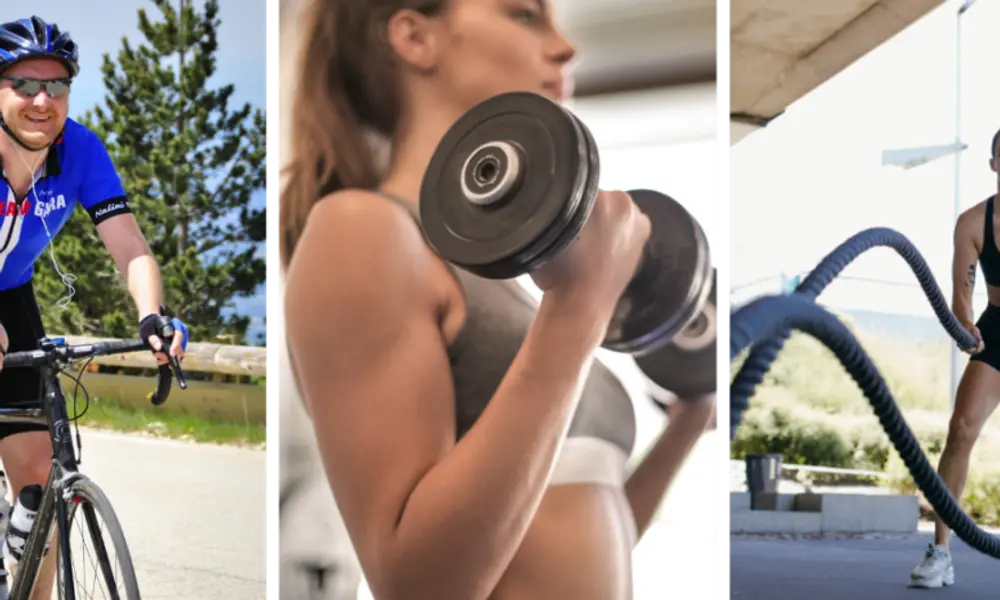
Endurance Training - any type of cardio workouts. These include running, swimming, rowing, and biking.
Strength Training - any workout with resistance added using your body or weights, such as weightlifting, Olympic lifting, powerlifting).
Hybrid Training - Hybrid workouts incorporate both strength and cardio (often including HIIT cardio). For example, CrossFit, and studio classes like Orangetheory Fitness and F45.
Duration of Workouts
How long you workout for will impact how much energy you need for that workout and therefore what you eat before. A workout that is less than 45-60 minutes typically can follow the principles I will discuss below.
For workouts that are longer than 60 minutes, you may need to incorporate fueling during the workout. Since this is not common for most people (unless you're an athlete), I won't cover intra-workout nutrition in this article. If your workouts are less than 60 minutes, the recommendations below will apply, regardless of the type of workout.
What to Eat Before a Workout
The most important consideration when deciding what to eat pre-workout is how much time you have before your training session starts.
Starting Your Workout in 30 mins to 1 hour
If you are planning to work out in about 30 minutes to an hour, focus on easy-to-digest carbs:
Fresh or dried fruit
A piece of toast with honey or jam
Crackers
Some types of energy bars
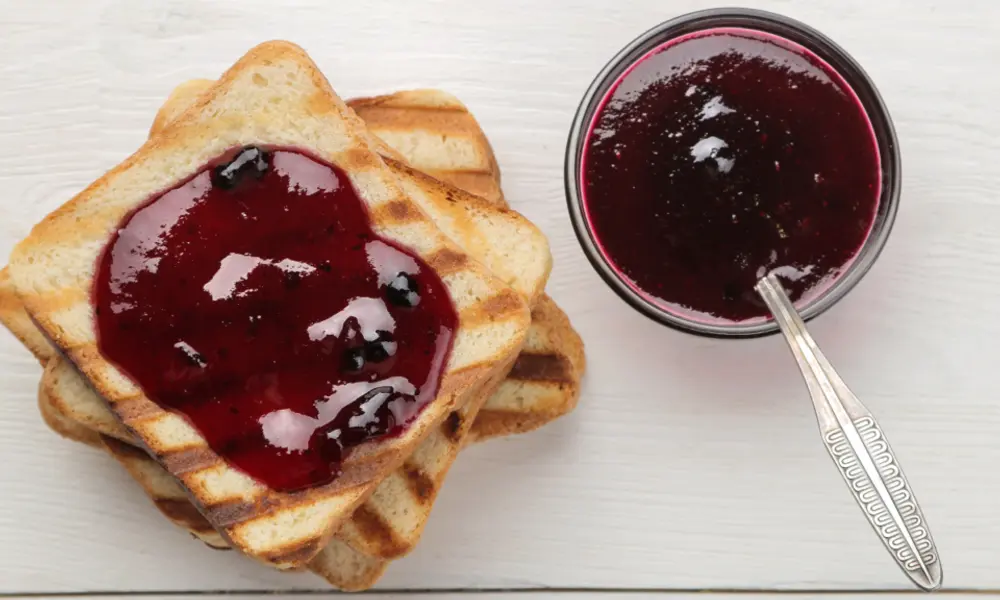
These carbs will be digested quickly and used for energy right away. You typically want to avoid foods that are high in fiber, fat, and protein immediately before your workout, because these take longer to digest. As you get further from the start of your workout, you can add some protein in.
Starting Your Workout in 1-2 Hours
If your workout is starting in 1-2 hours, you can have a larger snack with both protein and carbs. Carbs will give your body energy and the protein will help increase muscle protein synthesis, which is the process your body goes through to grow and repair your muscles.
Here are 5 snack options (make sure to adjust the portion size based on your hunger levels and calorie needs):
Small turkey wrap — deli turkey on a tortilla with tomato and lettuce
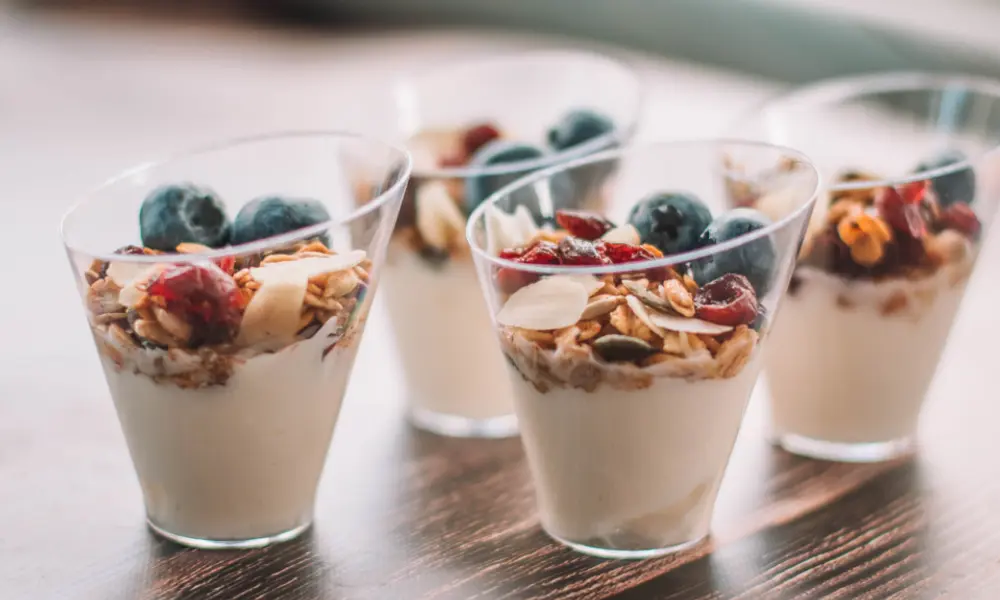
Greek yogurt with granola and berries
Cereal using a ready to drink protein shake (eg. Core Power) instead of milk
Oatmeal mixed with protein powder and frozen fruit
Protein smoothie with a banana and protein powder
Starting Your Workout in 2-3 Hours
If you have 2-3 hours or more before your workout, you can eat a full, balanced meal with protein, carbs, and fat. Examples of meal options include:
Sandwich on whole-grain bread, with lean protein, and a side salad
Omelet with a whole grain bagel on the side and some fruit
Chicken breast with brown rice and roasted vegetables
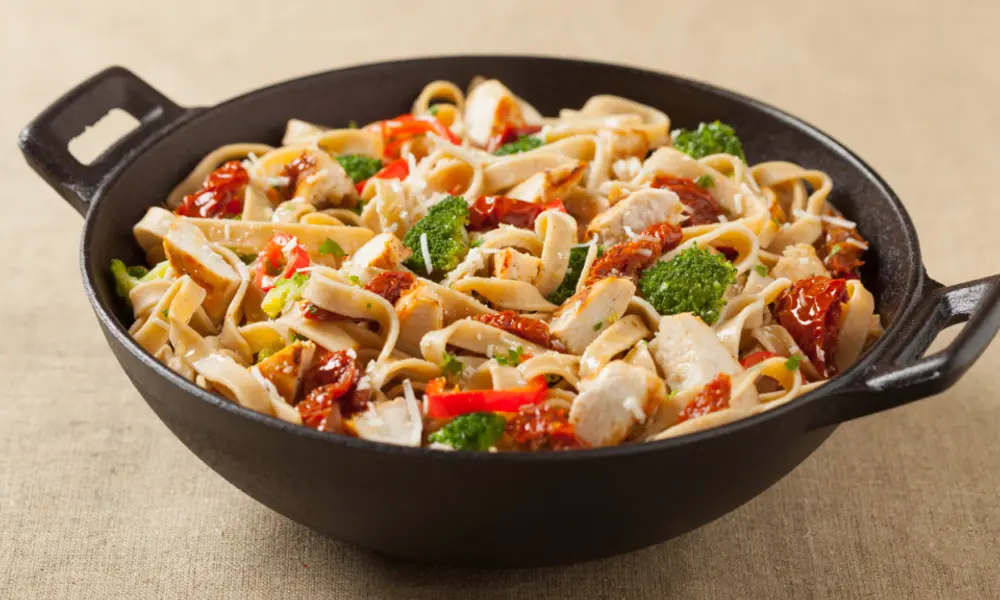
Whole grain pasta with meat sauce and veggies
Note
I’m not saying you should eat at all these times; pick what works for you, based on your schedule, hunger levels, and preferences. This may require some trial and error. For example, if you have a full meal 3 hours before your workout, some people might be able to do that workout without a snack and feel great. But, you might also choose to have a small snack closer to the start of your workout, if you’re hungry
Post-Workout Nutrition Considerations
There are 3 main goals of post-workout nutrition: Repair, Refuel, and Rehydrate, so let’s break down each of these 3 R’s.
REPAIR with Protein
When you exercise, it’s normal for the muscle fibers to have some minor damage. So, in order to allow your muscles to repair and grow, you need to make sure you’re eating enough protein. Protein provides the building blocks for your body to make more muscle tissue.
Protein Tips
You don’t need to chug a protein shake right after your workout. Focus on total daily protein intake.
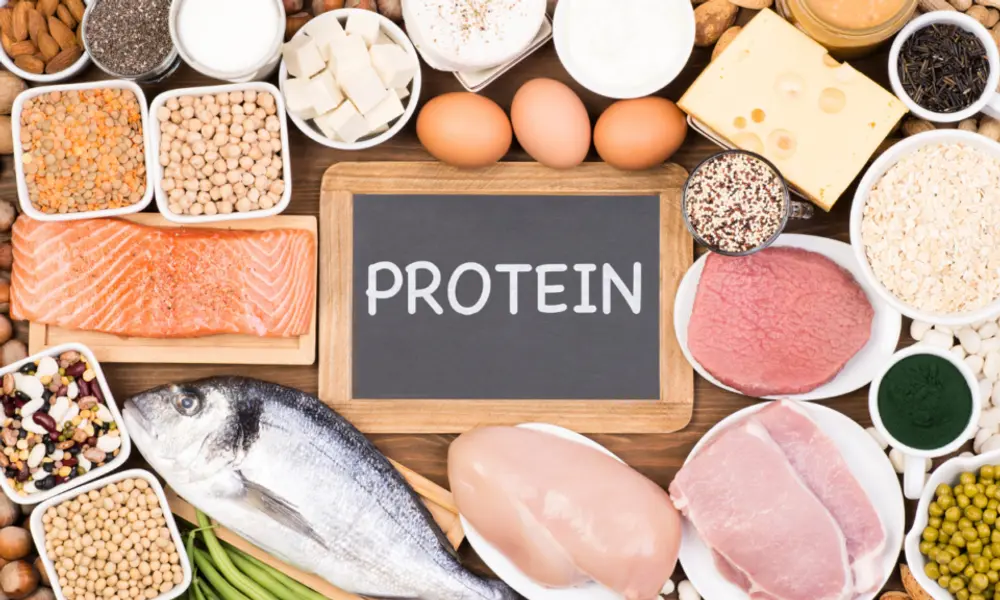
Choose mostly whole food sources: chicken, turkey, other lean meat options, Greek yogurt, cottage cheese, eggs and egg whites, tofu, and tempeh.
You may choose to supplement with protein powder, because it’s a quick and easy way to bump up your protein intake to hit your goals, especially if you’re busy.
A good starting point for most people is to aim for 1g of protein for every pound of body weight each day. So, a 160 lb. person would have a goal of 160g of protein daily.
Space protein evenly throughout the day — a meal or snack with 20-40g of protein every 3-4 hours.
REFUEL with Carbs
Your body stores carbs in the form of glycogen in the muscles and liver. When you work out, glycogen in the muscles gets used up for energy, so having some carbs post-workout helps replenish these stores.
Carbs are also important for muscle growth. When you eat carbs, it stimulates the production of insulin, which is a hormone heavily involved not only in managing your blood sugar levels, but also in many of the reactions that lead to muscle recovery and growth.
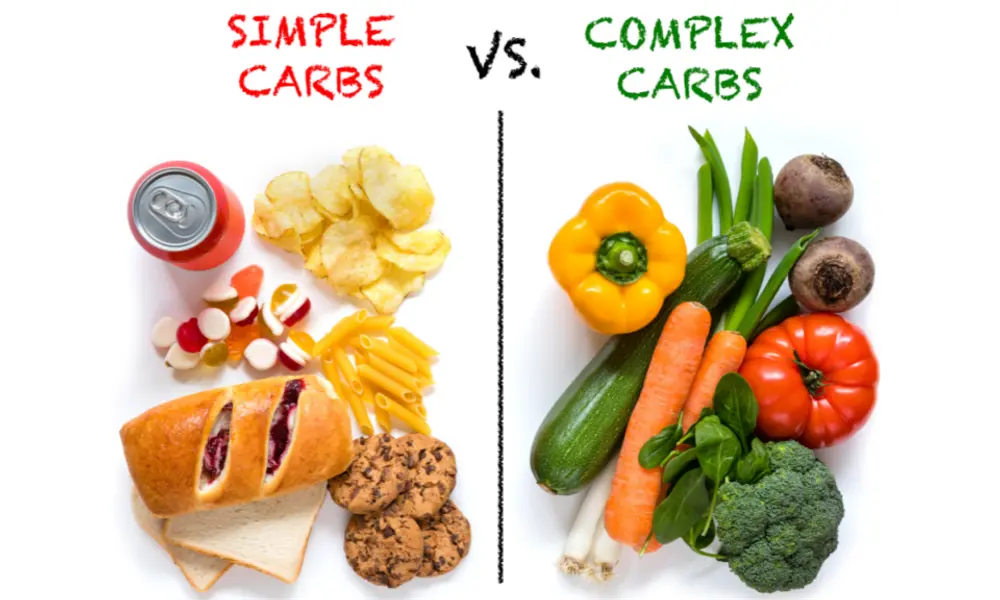
When you’re choosing carb sources, you want most of your daily carbs to come from complex sources, like whole grains, veggies, legumes, and fruit. Depending on the time of day, your post-workout snack could be one of your main meals, or a smaller snack (any of the options suggested above in the pre-workout section).
REHYDRATE with Water
The final R of post-workout nutrition is rehydrate. When we exercise, our bodies produce heat that is released through sweat. Those fluids must be replenished, not only during your workouts, but also after. Your muscles need a hydrated environment to recover and repair.
Try to drink water consistently throughout the day, and throughout your workout. 64 oz. total in a day is a starting point, but most people will need more than that when they work out. The easiest way to get an idea of whether you’re drinking enough is to look at the color of your urine. The color to aim for is pale yellow, like lemonade. If it’s darker, make sure to get some more water.
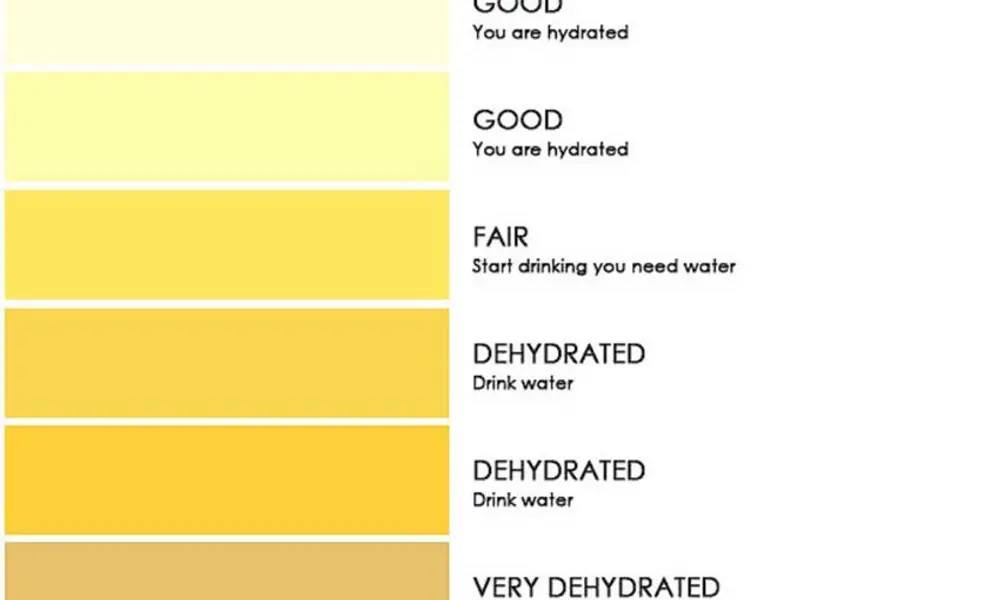
Source: https://www.researchgate.net/figure/Example-of-a-urine-color-chart-for-hydration-assessment-141_fig9_338348460
If you’re exercising for more than an hour or in a hot climate, you may also choose to have a sports drink to replenish electrolytes. However, if you’re aiming to lose weight, look for an electrolyte drink that is low in calories (eg. 0-20 cals).
Conclusion
In summary, the best nutrition advice to see results from your workouts is to prioritize protein and don’t be afraid of eating carbs — they give your body the fuel it needs. If your goal is fat loss, that’s only going to happen if you create a calorie deficit, meaning you burn more calories than you consume. You don’t need to track macros to lose weight, but in my experience after working with hundreds of clients, tracking can make the process of fat loss a lot easier and more efficient. There is no single formula for a perfect workout, but these tips are based on the most recent sports science research and my 12 years of experience as a dietitian, so they can make a big impact on having the energy to push through your workouts and see results.
TO CONNECT WITH ME
Instagram: www.instagram.com/andresayesta
TikTok: https://vm.tiktok.com/tLLoyS/
Youtube www.youtube.com/c/andresayesta
Podcast IG page: www.instagram.com/planos_nutrition
Facebook: https://www.facebook.com/planosnutrition