Learn how to optimize your nutrition for fitness with tips for pre- and post-workout meal composition and timing.
The Basics of Nutrition for Fitness
When you’re trying to optimize your nutrition to maximize the results you get from workouts, it can be difficult to know where to start. If you walk through the supplement aisle of the health food store, there are hundreds of options for products claiming to accelerate your fat loss or muscle gain progress.
On top of that, you might be wondering how big your pre- and post-workout snacks should be, when you should eat them, and what combination of macronutrients is best for you. Today, we’re going to be breaking down these questions and more, introducing the basics of pre-workout nutrition and post-workout nutrition, with a focus on whole foods. In our next article, we will cover pre- and post-workout supplements.
What to Eat Before a Workout
Choosing the right foods before a workout can help you maintain high energy levels, build muscle, perform better, and recover faster.
Before we begin, it’s important to note that if you’re an athlete, you should speak to a dietitian about your unique needs! The advice below is aimed at fitness enthusiasts doing just one workout a day that’s under an hour long.
My best advice for starting to optimize your pre-workout nutrition is to focus on whole foods first. Even though it can be tempting to dive head first into the world of fancy supplements, it’s best to prioritize nutrient intake from unprocessed or minimally processed food sources, and then use supplements to fill in the gaps.
What you eat before a workout depends on how far in advance you are planning to eat.
If you like to eat...
30mins – 1 hour before a workout: focus on easy-to-digest carbs, such as fruit
2 hours before a workout: go for a larger snack, preferably with a mix of protein and carbs.
3+ hours before a workout: eat a full balanced meal, with protein, carbs, and fats.
However, you don't need to eat at all the times above – pick whatever time or times work best for your body and schedule, which may require some trial and error to start. If eating 30 minutes before a workout leaves you with an unsettled stomach as you’re powering through burpees, move that meal back a bit so your stomach has more time to settle.
Also, it’s best to avoid high fat and high fiber meals right before a workout, as they take longer to digest.
Finally, this one might seem like a no-brainer, but don’t eat foods your body doesn’t tolerate! For example, I recommend Greek yogurt to many of my clients as a way to get some protein in either before or after a workout. But if your stomach is sensitive to dairy, you should definitely avoid yogurt before your workout.
What to Eat After a Workout
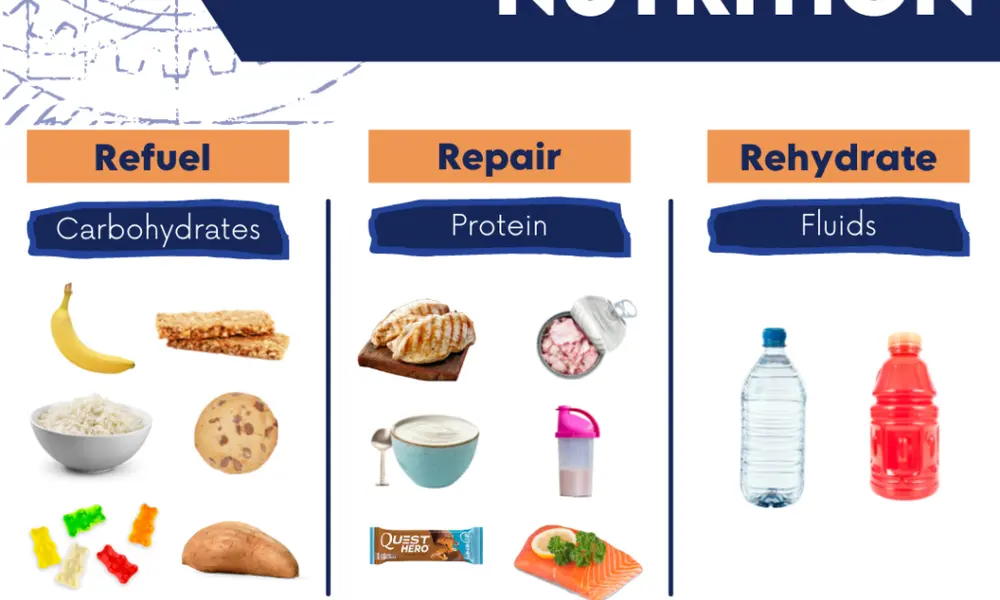
There are three main goals of post-workout nutrition: Refuel, Repair, and Rehydrate.
Let’s break down these “3 R’s”
REFUEL
Your body stores carbohydrates in the form of glycogen in the muscles and liver. When you work out, glycogen in the muscles becomes depleted, so having some carbs post-workout helps replenish these stores. If I told you carbs are also important for muscle growth would you prioritize having them? Well, carbs also stimulate insulin which is a hormone heavily involved not only in managing your blood sugar, but also in many of the reactions that lead to muscle recovery and growth.
While most of your carbs throughout the day should come from complex sources (whole grains, veggies, fruit), there is actually some value to a post-workout snack that includes fast-digesting, simple carbs to quickly get fuel to your muscles. This could include something like gummy bears, a cookie, cereal, or some other sweet treat.
While you don’t want to overdo it and I’m not suggesting you should ever have the mindset “I worked out so I deserve to eat this,” post-workout is a good time to satisfy your sweet cravings. Normally, when you have simple carbs, it causes a blood sugar spike, which can lead to feelings of fatigue and getting hungry again soon after your meal (1, 2). When you eat carbs after a workout, those carbs are taken into the muscles to replenish glycogen stores, so you often can avoid those negative effects.
REPAIR
When you exercise, some of the protein in your muscles gets broken down and damaged. Our goal is to eat enough protein to prevent muscle breakdown and promote muscle growth.
A good rule of thumb is to aim for at least 20g of protein post-workout, which might come in the form of a protein shake, or a full meal with a whole food source of protein (eg. chicken, fish, beef, tofu), depending on the time of day.
However, this goal doesn’t mean you need to chug a protein shake within 30 minutes of your workout or you’ll lose all your “gains”! The goal of post-workout protein is primarily to ensure you’re getting enough total protein throughout the day. One meta-analysis found no significant differences in muscle strength and size when protein was consumed post-workout compared to the same total amount of daily protein not consumed immediately after a workout (3).
When looking at pre-workout snacks, some protein before a workout can be beneficial, but again, it’s the total of the day that really matters. Research has found that the impact of protein supplementation on muscle growth, strength, and body composition is the same whether protein is consumed before or after a workout (4).
Getting sufficient protein each day, along with carbs and fats, is what supports fat loss and muscle gain over time.
Tart Cherry Juice
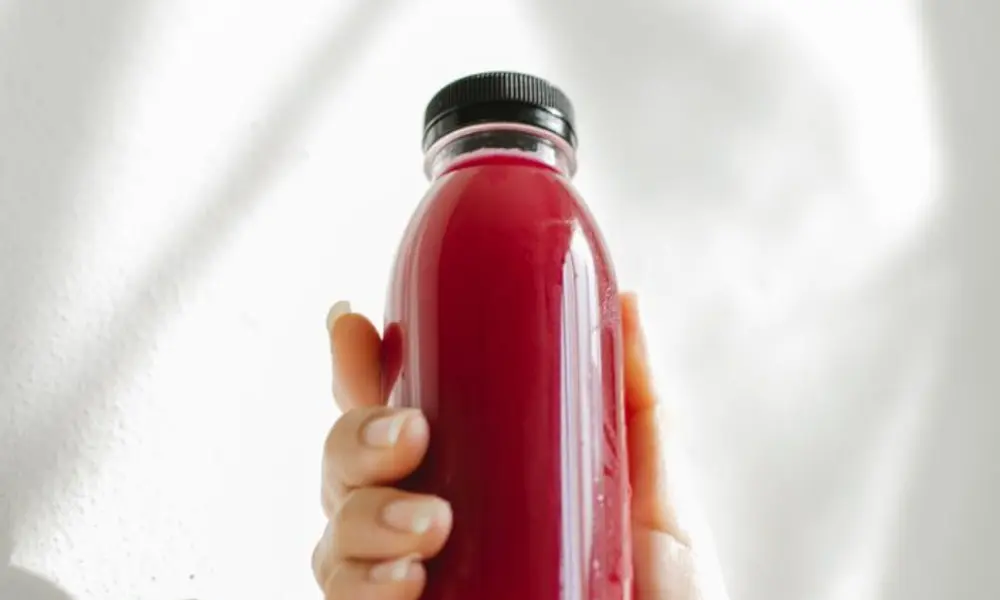
An additional approach to improve muscle repair is drinking pure, unsweetened tart cherry juice. If you drink it post-workout, it provides a quick source of carbohydrates, but research has found additional benefits for physically active people. Studies have shown that tart cherry juice can reduce muscle soreness and may help speed up recovery after resistance training (5, 6, 7).
REHYDRATE
When we exercise, our bodies produce heat that is released through sweat. Those fluids must be replenished not only during your workouts (depending on the duration) but also after. Working muscles need a hydrated environment to recover and repair.
Imagine if your muscle was a piece of steak. Would you rather it look nice and juicy or dry and rough like beef jerky? Even though you don’t have to weigh yourself after every workout, drinking about 16-24 oz of water for every pound lost through exercise is a standard recommendation (particularly in hot environments).
If you're exercising for more than an hour or in a hot climate, you can also rehydrate with a sports drink to replenish electrolytes.
Key Takeaways About Nutrition for Fitness
Even though I’ve provided many recommendations for how to fuel around your workouts to meet your goals, the truth is there is no single perfect formula for a great workout and for muscle-building. Overall, the best advice I can give you is to prioritize protein throughout the day, don’t be afraid of carbs (and make sure you get plenty post-workout), and stay consistent with your exercise. The best workout is the one you show up and do, whether or not you’ve perfected your pre-workout snack.
References
Hession M, Rolland C, Kulkarni U, Wise A, Broom J. Systematic review of randomized controlled trials of low‐carbohydrate vs. low‐fat/low‐calorie diets in the management of obesity and its comorbidities. Obesity reviews. 2009 Jan;10(1):36-50.
Ball SD, Keller KR, Moyer-Mileur LJ, Ding YW, Donaldson D, Jackson WD. Prolongation of satiety after low versus moderately high glycemic index meals in obese adolescents. Pediatrics. 2003 Mar 1;111(3):488-94.
Schoenfeld BJ, Aragon AA, Krieger JW. The effect of protein timing on muscle strength and hypertrophy: a meta-analysis. Journal of the International Society of Sports Nutrition. 2013 Dec;10(1):1-3.
Schoenfeld BJ, Aragon AA, Wilborn C, Urbina SL, Hayward SE, Krieger J. Pre-versus post-exercise protein intake has similar effects on muscular adaptations. PeerJ. 2017 Jan 3;5:e2825.
Sumners DP, Dyer A, Fox P, Mileva KN, Bowtell J. Montmorency cherry juice reduces muscle damage caused by intensive strength exercise.
Howatson G, McHugh MP, Hill JA, Brouner J, Jewell AP, Van Someren KA, Shave RE, Howatson SA. Influence of tart cherry juice on indices of recovery following marathon running. Scandinavian journal of medicine & science in sports. 2010 Dec;20(6):843-52.
Levers K, Dalton R, Galvan E, Goodenough C, O’Connor A, Simbo S, Barringer N, Mertens-Talcott SU, Rasmussen C, Greenwood M, Riechman S. Effects of powdered Montmorency tart cherry supplementation on an acute bout of intense lower body strength exercise in resistance trained males. Journal of the International Society of Sports Nutrition. 2015 Dec;12(1):1-23.
TO CONNECT WITH ME
On Instagram: www.instagram.com/andresayesta
On TikTok: https://vm.tiktok.com/tLLoyS/
On Youtube www.youtube.com/c/andresayesta
Podcast IG page: www.instagram.com/planos_nutrition
On Facebook: https://www.facebook.com/planosnutrition
Our Facebook Community: https://www.facebook.com/groups/1934943366627043/?ref=bookmarks