You've Been Told the Wrong Thing About Hunger
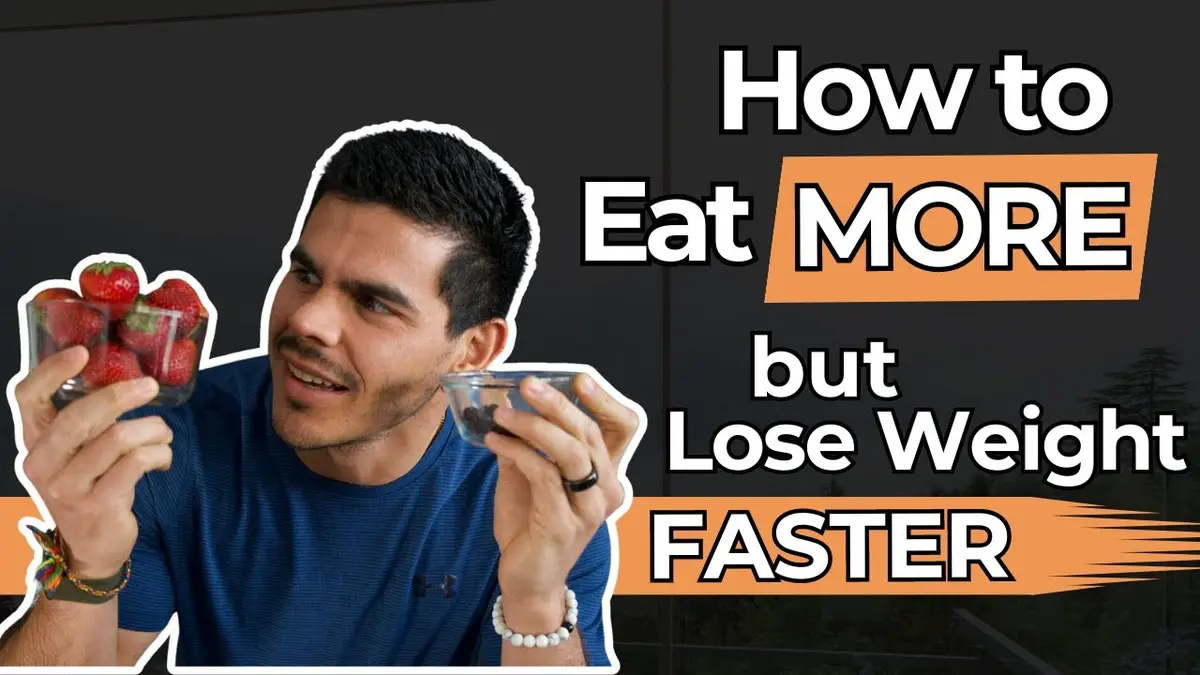
Most people believe weight loss requires eating less and feeling hungry. That belief is so common that when I teach clients the opposite, eat more food and lose weight faster, the reaction is almost always disbelief.
It's not a trick. It comes down to understanding calorie density, and once you get it, you can eat bigger meals, feel genuinely satisfied, and still hit your fat loss goals.
The Same Calories Can Look Completely Different
Picture two meals side by side. The first is a single McDonald's order: a burger, fries, maybe a McFlurry. The second is what could be someone's entire day of eating: breakfast, a couple of snacks, dinner, even a glass of wine.
Both add up to roughly 2,000 calories.
The difference in appearance comes down to calorie density, which refers to how many calories exist in a given volume or weight of food. The McDonald's meal packs a large number of calories into a small amount of food. The full day of eating spreads those same calories across a much larger volume.
Here's a simple way to see this in action. One ounce of raisins, about a small handful, contains roughly 100 calories and 23 grams of carbs. Five to six ounces of grapes (around 25 to 30 grapes) contain almost the same calories and carbs. Raisins are just grapes with the water removed, which concentrates the calories into a fraction of the volume.
A bowl of grapes will fill you up. The raisin equivalent won't, even if you eat several servings. Neither food is bad. The point is that choosing more foods with lower calorie density makes losing weight significantly easier without requiring you to eat less.
Your Stomach Counts Volume, Not Calories
Here's the mental model I use with clients: your stomach is a volume counter, not a calorie counter. It doesn't track calories coming in. It's closer to a bag that fills up and signals when it's full, regardless of what's actually inside it.
This is why adding a fruit or vegetable to every meal and snack is one of the highest-impact things you can do. Produce is high in fiber and water and low in calories, which means it fills that "bag" without adding much to your daily total.
A few practical swaps that apply this principle directly:
Replace half a cup of rice with half a cup of cauliflower rice
Mix regular spaghetti with spaghetti squash
Swap a high-calorie salty snack for air-popped popcorn, which has very low calorie density but still satisfies a crunchy craving
Why Fiber Matters More Than Most People Realize
Fiber is a type of carbohydrate your body can't fully break down, and it's found in fruits, vegetables, whole grains, and legumes. Soluble fiber specifically slows how quickly food moves through your digestive system, which keeps you feeling full for longer.
Fiber also affects your hormones directly. It increases the hormones responsible for feeling full and reduces ghrelin, the hormone that drives hunger. That's a real physiological mechanism, not just a "eat your vegetables" platitude.
Watch Portions on High Calorie Density Foods
The flip side of choosing more low-density foods is being mindful of portions on high-density ones. Fat contains 9 calories per gram, compared to 4 calories per gram for protein and carbs, which is why fattier foods pack more calories into less volume.
Two things worth paying attention to:
Restaurant meals tend to be calorie-dense because kitchens use a lot of oil and butter for flavor, often more than you'd estimate just by looking at the plate.
"Healthy" foods can still be calorie-dense. Nuts, nut butters, and avocado are nutrient-rich and genuinely good for you, but their fat content makes them easy to overeat. None of these foods are a problem. They're just foods where portion awareness matters more than usual.
Don't Cut Calories Too Low
Calorie density and fiber make it easier to eat satisfying meals in a deficit, but there's a separate trap worth naming: under-eating.
Some people overeat high-calorie foods consistently. Others go too far the other direction, eating too little during the week and then overcorrecting on weekends. Both patterns stall progress. You take two steps forward and two steps back without ever moving toward your goal.
For most people tracking calories, I recommend starting with a deficit of 250 to 500 calories below maintenance. That's enough to drive consistent fat loss without triggering the extreme hunger that leads to overeating later.
One More Lever: Protein
Aim for at least 20 grams of protein per meal. Protein increases satiety more than carbs or fat per calorie, which makes hitting your calorie target far less of a fight. This deserves its own deep dive, so it's not covered in full detail here, but it's a critical piece of the hunger-management puzzle alongside calorie density and fiber.
Five Foods to Build Around
These foods check one or more of the boxes that matter most for fat loss: low calorie density, high fiber, or high protein.
1. Berries. High in fiber and volume with plenty of micronutrients. They work as a satisfying, low-calorie dessert and fit easily into yogurt, smoothies, or salads.
2. Legumes. Beans and chickpeas bring soluble fiber and protein together, which is a strong combination for staying full and naturally eating less throughout the day.
3. Spinach (or any leafy green). Very low in calories, rich in minerals, and an easy way to add volume to salads and smoothies without adding much to your calorie total.
4. Apples. High in fiber and genuinely convenient. An easy grab-and-go option that beats most packaged snacks for a busy day.
5. Greek yogurt. A high-protein snack on its own, especially paired with fruit, and a useful base for lower-calorie dips, dressings, or even protein-based dessert recipes.
The Bottom Line
Losing weight doesn't require eating less food. It requires eating food that takes up more volume relative to its calories. Build meals around fiber-rich produce, watch portions on calorie-dense foods like oils and nuts, hit your protein target, and avoid cutting calories so low that you set yourself up to overeat later.
Start with one meal a day. Add a fruit or vegetable to it, hit at least 20 grams of protein, and notice how much more satisfied you feel without eating more calories than before.