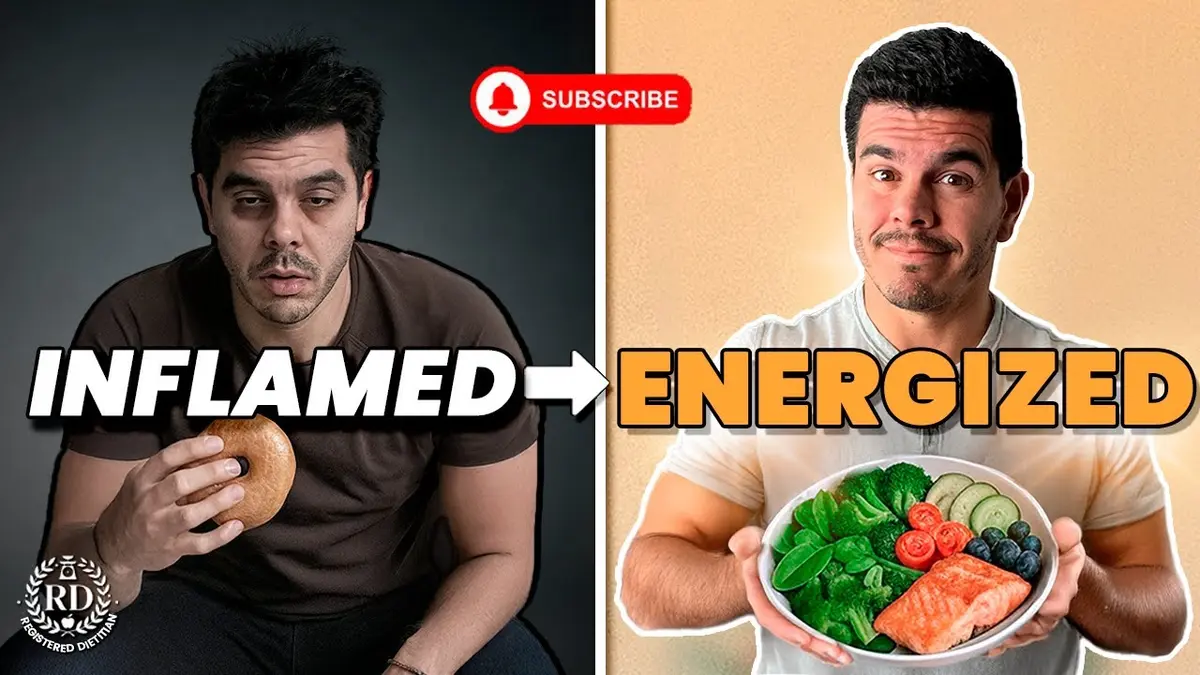
Anti-inflammatory eating has a marketing problem.
Walk into any health food store, scroll through any wellness account, and you’ll find lists of “inflammation-fighting superfoods,” expensive supplements, and enough conflicting advice to make your head spin. Most of it is either overcomplicated or trying to sell you something.
Here’s the honest version: anti-inflammatory eating is mostly whole foods and less processed junk. That’s it. It’s not sexy, it can’t be patented, and nobody’s going to make millions selling you the concept. Which is exactly why it gets buried under buzzwords.
What Anti-Inflammatory Eating Actually Does
Chronic inflammation is real. It’s linked to joint pain, heart disease, fatigue, and yes, difficulty losing weight. But the biggest driver of chronic inflammation isn’t the absence of turmeric or omega-3 capsules. It’s too much processed food, too much added sugar, and not enough nutrients from whole food sources.
When someone switches to an “anti-inflammatory diet” and feels dramatically better, here’s what actually happened: they cut ultra-processed foods, added more vegetables, chose higher quality proteins, and reduced their sugar intake. Of course they feel better. But it’s the overall pattern that did it, not any individual superfood.
The practical upside of eating this way goes beyond inflammation. When you eat mostly whole foods, something else happens: your hunger naturally decreases. Your cravings quiet down. You feel more satisfied eating less. Your body’s built-in appetite regulation system starts working the way it’s supposed to — without a prescription.
The Test-and-Assess Framework
Rather than handing you a rigid meal plan, here’s a three-phase approach that actually tells you what works for your body specifically.
Phase 1 (2–3 weeks): Temporarily eliminate the most common problem foods — dairy, gluten, added sugars, and most processed foods. This isn’t about demonizing these foods forever. It’s about giving your body a clean baseline so you can actually measure how things change.
Phase 2: Reintroduce foods one at a time and pay attention. Add back Greek yogurt and note your digestion. Try quinoa and see how your energy holds. The data is your own body’s response — energy, bloating, sleep quality, mood.
Phase 3: Build your personalized approach from what you learned. Maybe you do great with rice but not wheat. Maybe full-fat dairy works fine and it’s processed cheese that’s the issue. This is where the framework becomes yours.
One client came in struggling with chronic bloating she couldn’t trace. After a few weeks of elimination and systematic reintroduction, she identified gluten as the trigger. Not because gluten is evil for everyone — it isn’t — but because it was a problem for her specifically.
A Full Day of Meals
Here’s exactly what a high-protein, whole foods day looks like in practice:
Breakfast: 2 whole eggs plus 2–3 egg whites, some lean ground beef mixed in, tomatoes, spinach, and a berry smoothie on the side. High protein, high volume, steady energy to start the day.
Lunch: Chicken thighs with mixed steamed vegetables and rice, drizzled with olive oil. The formula: lean protein, color from vegetables or fruit, quality carb source. Keep it simple and repeat it.
Snack: Greek yogurt with berries, a square or two of 80% dark chocolate, unsweetened coconut, and natural peanut butter. Protein plus fiber — the combination that keeps you full between meals.
Dinner: Get a little more creative here. Palm heart noodles (palmini) with tomato sauce and lean meatballs. Or keep it simple with salmon or chicken, sweet potatoes, and another round of vegetables. If you have calories left at the end of the day, fresh fruit makes a better dessert than almost anything else.
Notice what’s missing: a list of foods you can never eat again. The goal is building a foundation that feels good, not a set of rules that makes you miserable.
Four Mistakes to Avoid
Going too extreme too fast. If you’re currently eating mostly takeout and processed food, don’t try to flip your entire diet overnight. Your body will push back and you’ll quit by day three. Start with one meal — breakfast is usually easiest — nail it for a week, then add lunch.
Skipping protein. This one costs people more than they realize. A salad with no protein source leaves you hungry an hour later, which leads to poor choices in the afternoon. Every meal needs a protein. Every single one.
Fearing carbs. Your body needs carbohydrates, especially if you’re training. The issue is quality, not carbs themselves. Sweet potatoes, rice, quinoa, and fruit behave very differently in your body than processed bread and sugar-sweetened cereals.
Not planning ahead. When you’re hungry and nothing is ready, you grab whatever’s nearby. Thirty minutes on Sunday changes the entire week: cook a batch of protein, chop vegetables, make a pot of rice. Having the building blocks ready removes the decision at the moment you’re least equipped to make a good one.
The 80% Standard
You don’t need to eat this way perfectly. Eat this way 80% of the time and you’ll feel dramatically different than if you eat this way 0% of the time. The goal isn’t to never have pizza again. The goal is to feel good enough in your body that you’re not thinking about food all day, not fighting cravings at 10pm, and not starting over every Monday.
Give this approach an honest 2–3 weeks. You’ll likely sleep better, crash less in the afternoon, bloat less after meals, and crave sugar less. That’s not magic. That’s your body running on fuel it actually knows what to do with.
The best diet isn’t the one that works for some influencer. It’s the one you can stick to while feeling like yourself.