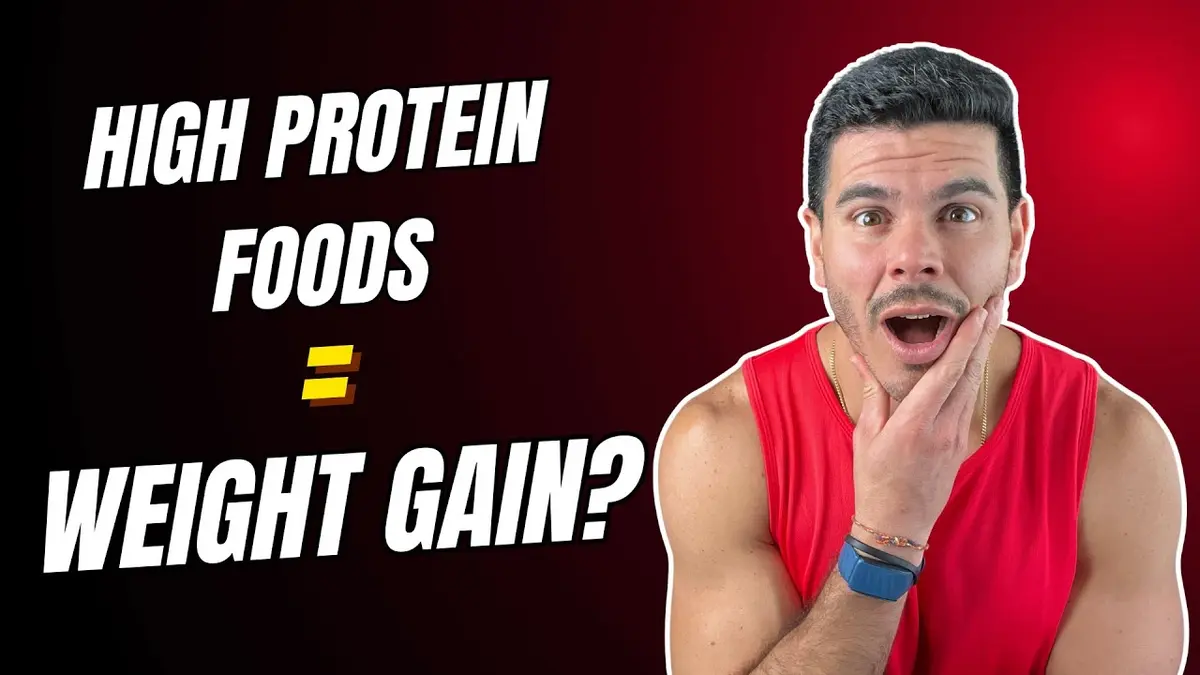
You’ve been choosing the protein bar over the candy bar. The protein cereal over the regular one. The protein pasta, the protein chips, the protein yogurt. You’re doing what every fitness influencer told you to do.
And the scale still isn’t moving.
Here’s what a new study just confirmed — and what I’ve been seeing with clients for years.
What the Research Actually Found
Researchers took 21 healthy adults and put them in a metabolic chamber — a controlled environment where scientists could measure everything. Calories eaten, calories burned, hormone levels, sleep quality. Everything.
They split participants into two groups:
Group 1: High-protein ultra-processed foods. About 30% of calories from protein. Think protein bars, protein-enriched cereals, high-protein pizza, protein bread, protein pudding.
Group 2: Normal-protein ultra-processed foods. About 13% of calories from protein. Regular cereal, regular yogurt, vegetable pizza, energy bars.
Both groups ate roughly 84% of their calories from ultra-processed foods. Neither group was told how many calories to eat. They just ate until they felt satisfied.
Here’s what happened.
The high-protein group ate fewer calories and burned more. On paper, that sounds like a weight loss win. But both groups still overate. The high-protein group ended up 18% above their maintenance calories. The low-protein group was 32% over.
Even with the protein advantage, the high-protein group was still eating more than their body needed. They were in a calorie surplus. And a calorie surplus means weight gain, regardless of what the label says.
Why Ultra-Processed Foods Override Your Hunger Signals
This is the part that should make you angry — not at yourself, but at the food industry.
Ultra-processed foods are engineered to be hyper-palatable. Food companies spend millions of dollars studying texture, mouthfeel, flavor combinations, and the exact point at which your brain stops registering fullness. The goal is to get you to eat more than you need.
Adding protein to those foods doesn’t fix that. The researchers found that even high-protein ultra-processed foods still disrupted the body’s natural hunger and satiety signals. Your brain doesn’t register fullness the same way it does after eating whole foods. So you keep eating past the point where you should have stopped — not because of weak willpower, but because the food was specifically designed to make that happen.
This is why protein content alone isn’t enough. The processing matters more than the macros when it comes to weight management.
This Isn’t Just About Avoiding Processed Foods
I want to be careful here, because the takeaway isn’t “never eat a protein bar again.” That’s not realistic, and it’s not what the research says either.
I recommend protein bars to clients regularly. Given the choice between a protein bar and a Snickers, the protein bar is the better call. But this study made me think harder about where those foods fit in the bigger picture.
The real issue is that choosing high-protein processed foods gives people a false sense of security. They think they’ve solved the problem. The label says 25 grams of protein, so it must be working. But if those foods are still triggering overconsumption, the protein content becomes irrelevant.
What actually works depends on your specific situation. Some people do best when they shift toward mostly whole, minimally processed foods — real protein sources like eggs, meat, fish, Greek yogurt, legumes — because those foods manage hunger without the engineered palatability problem. Others are dealing with elevated cortisol from chronic stress that’s driving cravings regardless of what they eat. Some have metabolic adaptations from years of restrictive dieting that need to be addressed before any food changes stick.
One-size-fits-all solutions — more protein, fewer carbs, just eat less — don’t work because they don’t address what’s actually keeping you stuck.
What This Means for Your Weight Loss
Three things to take from this:
First, calories still matter. That’s not going anywhere. Both groups in this study gained weight because they ate more than their body needed. The mechanism of weight loss doesn’t change.
Second, food processing matters, maybe more than macros. Whole food sources of protein — chicken, eggs, fish, Greek yogurt, beans — behave differently in your body than protein-fortified processed foods. They trigger satiety signals more effectively and are harder to mindlessly overeat.
Third, if you’ve been doing “all the right things” and not seeing results, this study explains why it’s not a willpower problem. Ultra-processed foods — even the healthy-labeled ones — are working against your body’s ability to self-regulate. That’s a food design problem, not a personal failure.
The fix isn’t perfection. It’s understanding what’s actually driving your eating patterns and building an approach around that — one that creates a calorie deficit you can maintain without fighting your own hunger signals at every meal.