Most Protein Bars Are Not What You Think They Are
Walk into any grocery store and the protein bar aisle looks like a wall of good decisions. High protein, low sugar, convenient. The reality is that some of these bars have as many calories as a Snickers, ingredient lists that read like a chemistry textbook, and enough sweeteners to cause real digestive problems for certain people.
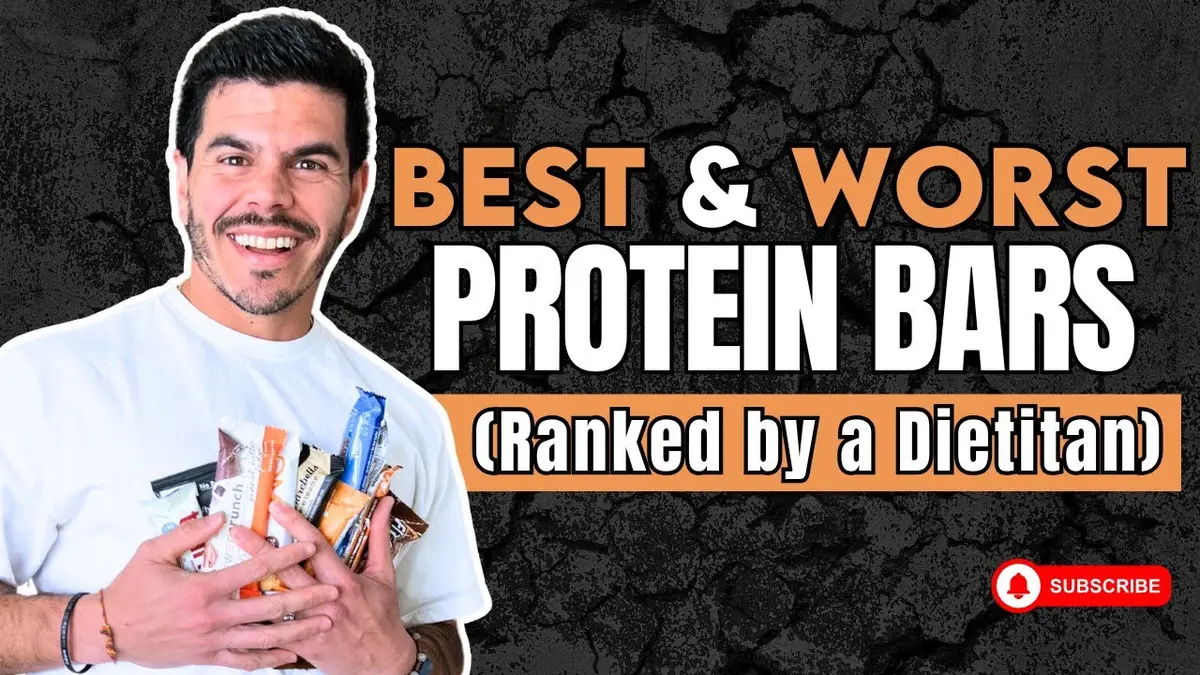
As a registered dietitian, I tested and ranked 10 of the most popular bars on the market based on three factors: label quality, nutritional profile, and taste. Each category was scored out of 10 for a maximum of 30 points total. Here's exactly what I found.
What Actually Makes Something a Protein Bar
Before getting into the rankings, this distinction matters. A true protein bar should deliver at least 10 to 15 grams of protein per serving. Anything below 10 grams is closer to an energy bar or snack bar. Think Larabars: mostly carbs and fat, no meaningful protein contribution.
The best use for a protein bar is supplementing your daily protein intake when whole food isn't available, managing hunger between meals, or as an occasional treat. They are not a replacement for real food, and eating too many of them can absolutely lead to fat gain if you're not paying attention to total calories.
The Sweetener Situation
Every bar on this list uses some form of sweetener, and understanding the differences matters, especially if you have a sensitive stomach.
Natural sweeteners like honey, dates, coconut sugar, and monk fruit come from whole food sources and tend to produce cleaner ingredient labels. The tradeoff is that they still contain calories, can raise blood sugar, and aren't ideal for low-carb or diabetic diets.
Artificial sweeteners, specifically sucralose (sold commercially as Splenda), are calorie-free and won't spike blood sugar. They show up in bars like One Bar, Fit Crunch, Barebells, and Think. The concern is potential gut health effects, which the research is still working out, and a distinct aftertaste that some people find hard to get past.
Sugar alcohols like erythritol, maltitol, and sorbitol are low in calories and have minimal blood sugar impact, which makes them common in keto-friendly bars. The catch: they ferment in the gut and can cause bloating, gas, or worse in sensitive individuals. Erythritol tends to be better tolerated than maltitol or sorbitol, but it does leave a cooling aftertaste.
Newer sweeteners like allulose and IMOs (isomaltooligosaccharides) are worth knowing about. Allulose is a rare sugar your body doesn't fully absorb, has minimal blood sugar impact, and is one of the more promising options on the market. IMOs function as a prebiotic fiber but can cause digestive issues in some people. Long-term data on both is still limited.
Many bars use multiple sweeteners in combination, which often produces better taste but also compounds the potential for gut issues.
The Rankings
1. Quest Hero Bar: 27/30
The overall winner. Quest Hero uses milk protein isolate and whey protein isolate, sweetened with allulose and erythritol, avoiding artificial sweeteners entirely. At 150 calories and 17 grams of protein, the protein-to-calorie ratio is exceptional, roughly 40% fewer calories than many bars with comparable protein. The birthday cake flavor tested sweet and satisfying, closer to candy than a supplement bar. Label score: 9. Nutrition score: 9. Taste score: 9.
2. Quest Bar Classic: 26/30
One of the better nutritional profiles in the entire test. Around 190 calories and 20 grams of protein with only 4 to 5 net carbs. Uses erythritol and sucralose, which keeps calories low but adds the associated tradeoffs. The texture improves significantly with 10 seconds in the microwave. Label score: 7. Nutrition score: 10. Taste score: 7.
2. Barebells Bar: 26/30
Tied with Quest Classic for second. Around 200 calories and 20 grams of protein, with a texture and flavor profile closer to a candy bar than anything that belongs in the supplement aisle. Uses maltitol, polydextrose, and a small amount of sucralose. Gut sensitivity is a known issue for some people with this one. Worth trying if you can tolerate the sweeteners. Label score: 8. Nutrition score: 9. Taste score: 9.
4. One Bar: 24/30
A solid option with 220 calories and 20 grams of protein. Uses a combination of IMOs, maltitol, and sucralose, which is a lot of sweeteners stacked together. The nutritional profile is efficient. The label is moderately clean but leans processed. Chewy texture, minimal aftertaste, good flavor. Label score: 7. Nutrition score: 9. Taste score: 8.
5. RX Bar: 23/30
The cleanest label of any bar tested. Egg whites, dates, nuts, chocolate, sea salt. No artificial anything. At 200 calories and 12 grams of protein, it falls short on the protein side, making it better as a pre-workout snack than a protein source. If whole food ingredients are your priority, this is the bar. Label score: 10. Nutrition score: 7. Taste score: 6.
5. Aloha Bar: 23/30
The only plant-based bar in the test and a legitimate option for people avoiding animal products. Uses brown rice and pumpkin seed protein, sweetened with monk fruit and coconut sugar. At 240 calories and 14 grams of protein with 10 grams of fiber, it's filling but calorie-dense for the protein it delivers. Slightly chalky texture as expected from plant protein, but better than anticipated. Label score: 9. Nutrition score: 7. Taste score: 7.
7. Power Crunch Bar: 21/30
Uses hydrolyzed whey protein isolate, which absorbs faster than standard whey, and a sweetener blend of fructose, maltodextrin, and stevia that leans more natural. The wafer texture is unique and genuinely enjoyable. The problem is only 13 grams of protein and 13 grams of fat for 215 calories, making the protein-to-calorie ratio one of the weakest in the group. Label score: 7. Nutrition score: 6. Taste score: 8.
8. Fit Crunch Bar: 20/30
The worst label of any bar tested. Combines whey and soy protein isolate, uses seed oils, and stacks sugar, maltitol, and sucralose together. Digestive issues are a real possibility. The smaller size offers a reasonable protein-to-calorie ratio at 16 grams of protein and 190 calories, but the larger version approaches meal replacement territory in calories. Available in bulk at Costco, which is about the strongest argument for it. Label score: 4. Nutrition score: 7. Taste score: 8.
8. Perfect Bar: 20/30
Made with refrigerated whole food ingredients: peanut butter, honey, dried milk, egg powder. The cleanest process of any bar here outside of RX Bar. The problem is 340 calories and only 17 grams of protein, which pushes it closer to a meal replacement than a protein snack. The 19 grams of sugar from honey will raise blood sugar more than most bars on this list. Tastes exactly like peanut butter mixed with honey, which is either the appeal or the problem depending on your preferences. Label score: 8.5. Nutrition score: 5. Taste score: 7.
10. Think Bar: 18/30
Twenty grams of protein and 230 calories is a workable ratio, but 14 grams of sugar alcohol from maltitol is high for a single serving, and zero grams of fiber does nothing to help with satiety. Uses soy protein isolate as a primary ingredient. The cookies and cream flavor tested poorly, with an off-putting texture and flavor that didn't deliver on what the label promised. Label score: 7. Nutrition score: 6. Taste score: 5.
The MET-Rx Big 100: Not a Protein Bar
The MET-Rx Big 100 showed up in the test but was excluded from rankings for a simple reason: at nearly 400 calories and 18 grams of added sugar, it's a meal replacement, not a protein bar. If you're logging this as a snack, you're adding close to a full meal's worth of calories without realizing it. Reserve it for post-training recovery if you use it at all.
How to Choose the Right Bar for You
No single bar is right for everyone. Here's a simple framework:
If ingredient quality is the priority, RX Bar is the clear choice, with Aloha Bar close behind for plant-based eating.
If protein per calorie is the priority, Quest Hero Bar and Quest Classic are the strongest performers.
If taste is the priority, Barebells and Quest Hero are the top two, and neither tastes like diet food.
If gut health is a concern, avoid bars with maltitol or high amounts of sugar alcohols, and approach anything with IMOs cautiously.
One thing that applies regardless of which bar you choose: read the label before you assume something is a healthy option. Protein content, calorie count, and sweetener type vary widely across this category, and the marketing on the front of the package tells you almost nothing useful.
The Bottom Line
Protein bars are a useful tool when real food isn't available, but they work best as a supplement to a solid diet, not a shortcut around one. Get most of your daily protein from whole food sources. Use bars for convenience, travel, or an occasional treat, and know what you're actually eating when you do.
The Quest Hero Bar is the best overall option based on this test. Clean-enough sweeteners, excellent protein-to-calorie ratio, and a taste that makes it easy to stick with consistently.
Start there, and adjust based on how your stomach responds.